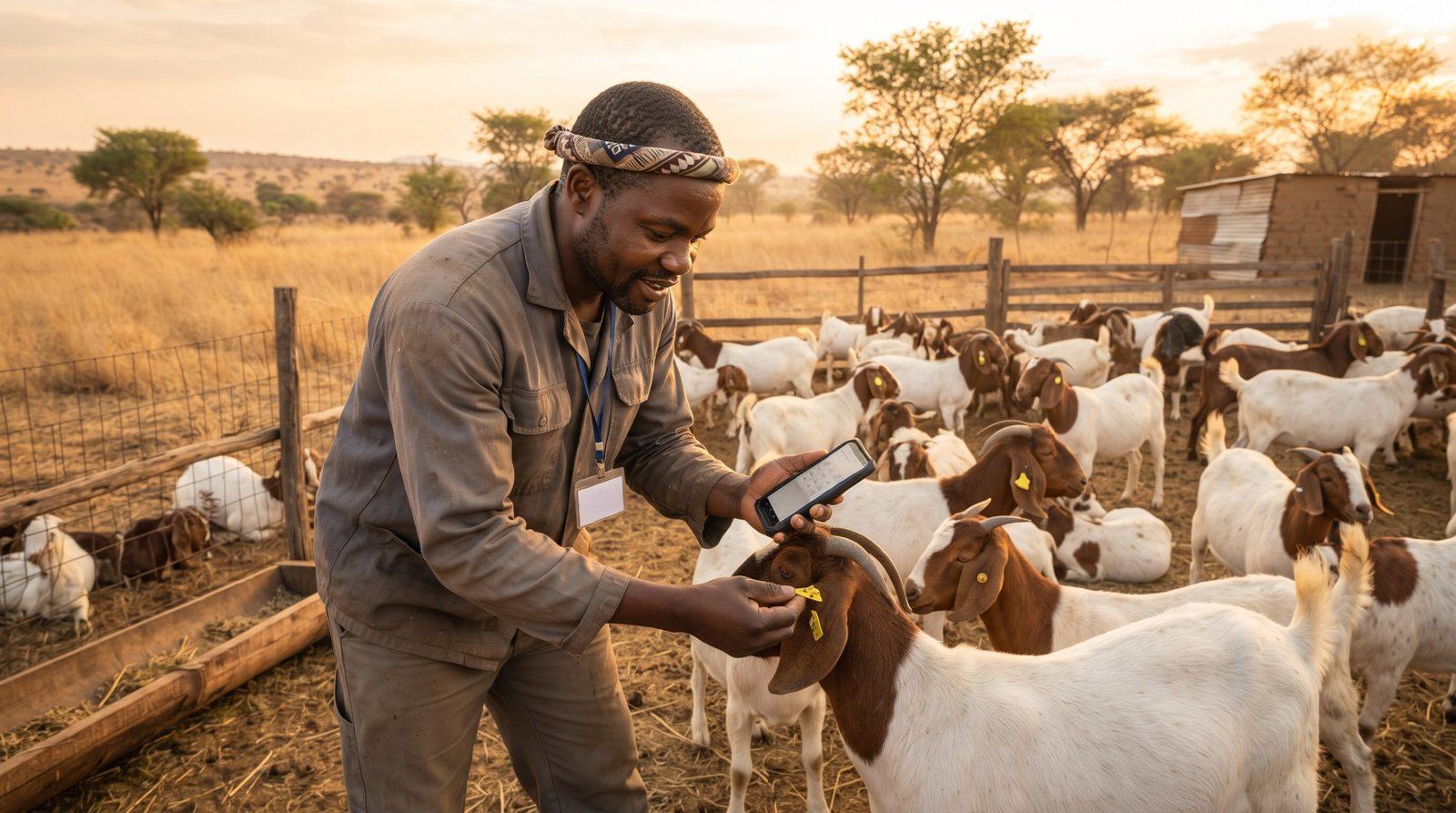
How to Track Goat Health, Breeding and Sales in Zimbabwe
Short answer: give every goat its own tag and its own record, then write down each vaccination, treatment, breeding event, movement and sale against that goat as it happens. With a phone app that works offline, the herder can record this in the field and you can read it all later from one place.
A flock of goats is easy to count and hard to manage from memory. Once you have more than a handful, you cannot reliably remember which doe was treated, which kid was born when, or which buck was sold to whom. Per-goat records fix that.
Start with one record per goat
For each goat, record:
- Tag or ID number
- Breed, sex and date of birth (or estimated age)
- Dam and sire, if known
- Where it came from: born on the farm, bought, or brought in
- Current status: active, sold or died
Give every animal a tag first. A record with no tag cannot be matched to the animal in front of you.
Health: a vaccination and treatment checklist
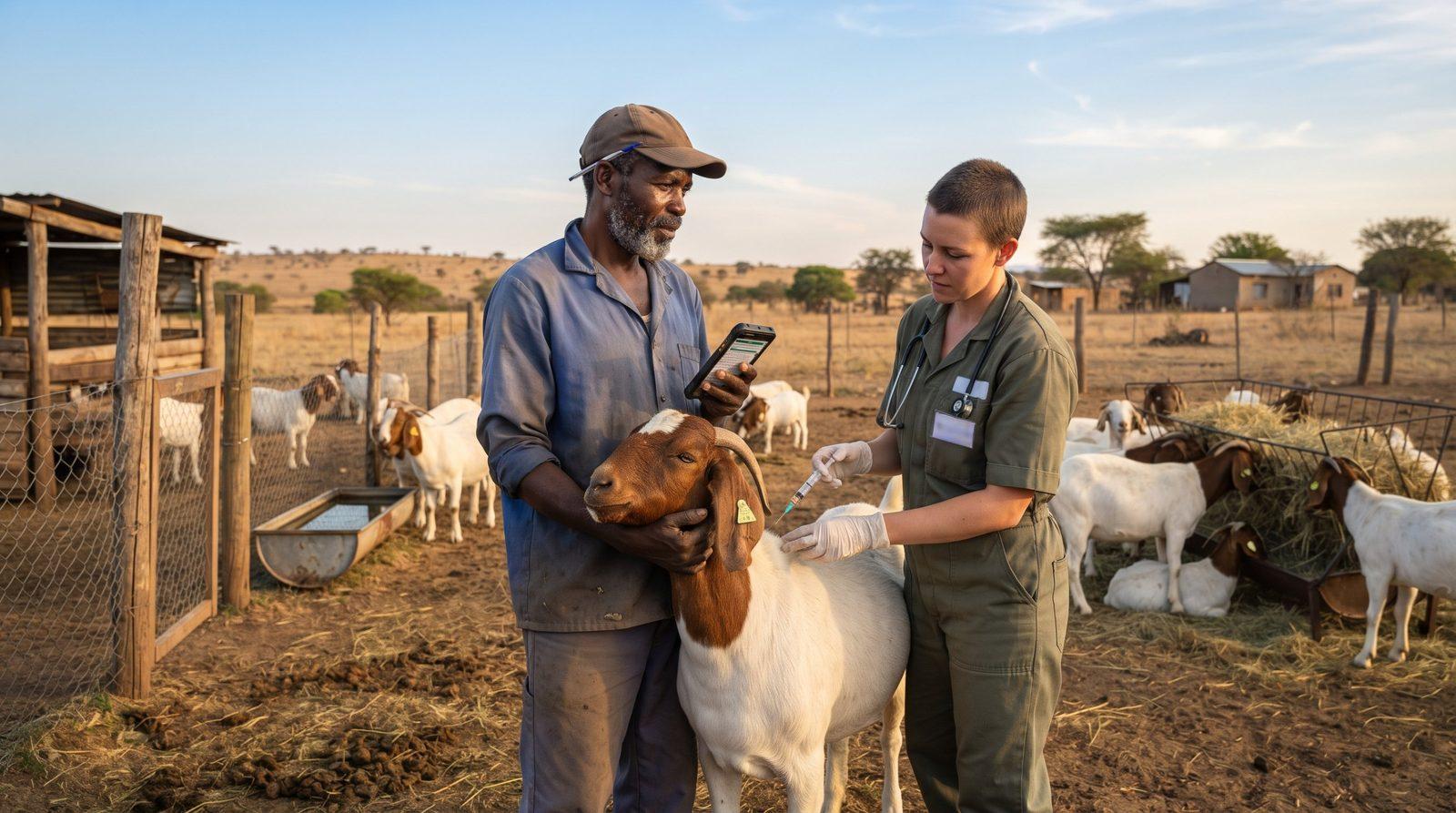
Write each of these down against the individual goat, not in a general notebook:
- Vaccinations: what was given, the date and who gave it
- Deworming and other routine treatments, with the date
- Illness or injury: the signs you saw, the date you first noticed them
- Treatment given, by whom and the cost
- Veterinary visits and what the vet advised
- Outcome: recovered, ongoing or died
- Withdrawal or waiting periods stated on the label or by your vet, before sale or slaughter
Your vet decides what to give and when. Records do not replace that advice. They make sure the next decision starts from the full history instead of a guess.
Breeding records
For each breeding event, note:
- The doe and the buck used, and the date
- The expected kidding date, if you are tracking it
- The kidding date, number of kids born and how many survived
- Any problems at birth
Over time this shows you which does are productive and which are not worth keeping, which is hard to see without the numbers.
Sales
Record each sale with the goat's tag, date, price, buyer and whether you have been paid in full. Unpaid balances are easy to lose track of, and sale records are what tell you whether the herd is paying for itself.
How StokData does it
On the livestock management software, each animal has its own record with species, breed, sex and date of birth, and you keep vaccination, treatment and health notes against it. You record breeding events, births, deaths and movements as they happen, so your herd count stays current.
- Works offline. The mobile app records without internet and syncs when the phone has a connection, which suits a herder out grazing.
- Sales and invoices. When you record a sale on the web dashboard, StokData creates its invoice on the plans that include invoicing, and it shows what is still owing.
- Health guidance. The AI Health Check helps you think through possible conditions and when to contact a veterinarian. It does not diagnose, prescribe medication or give doses.
- Costs and profit. Log expenses and sales to see profit summaries over time, and export to PDF or CSV.
If you farm in Zimbabwe from another country, read how to manage a farm in Zimbabwe while living overseas. If you also keep poultry, see what records a poultry farmer should keep.
Frequently asked questions
What records should I keep for each goat?
Tag number, breed, sex, date of birth, parentage if known, vaccinations, treatments, breeding events, movements, and the sale or death record. Keep them against the individual goat.
Can I record goat health without internet?
Yes. The StokData mobile app works offline. Records save on the phone and sync to the cloud when a connection is available.
Can StokData tell me what is wrong with a sick goat?
No. The AI Health Check gives guidance on possible conditions, what to check and when to call a vet. It does not diagnose, prescribe medication or give doses.
Does StokData create invoices for goat sales?
When you record a sale on the web dashboard, StokData creates the invoice for it on the plans that include invoicing, and shows what is still owing.
How do I track which goats were bred and when?
Record each breeding event against the doe, including the buck and the date, then record the kidding and how many kids survived. The history stays with each animal.