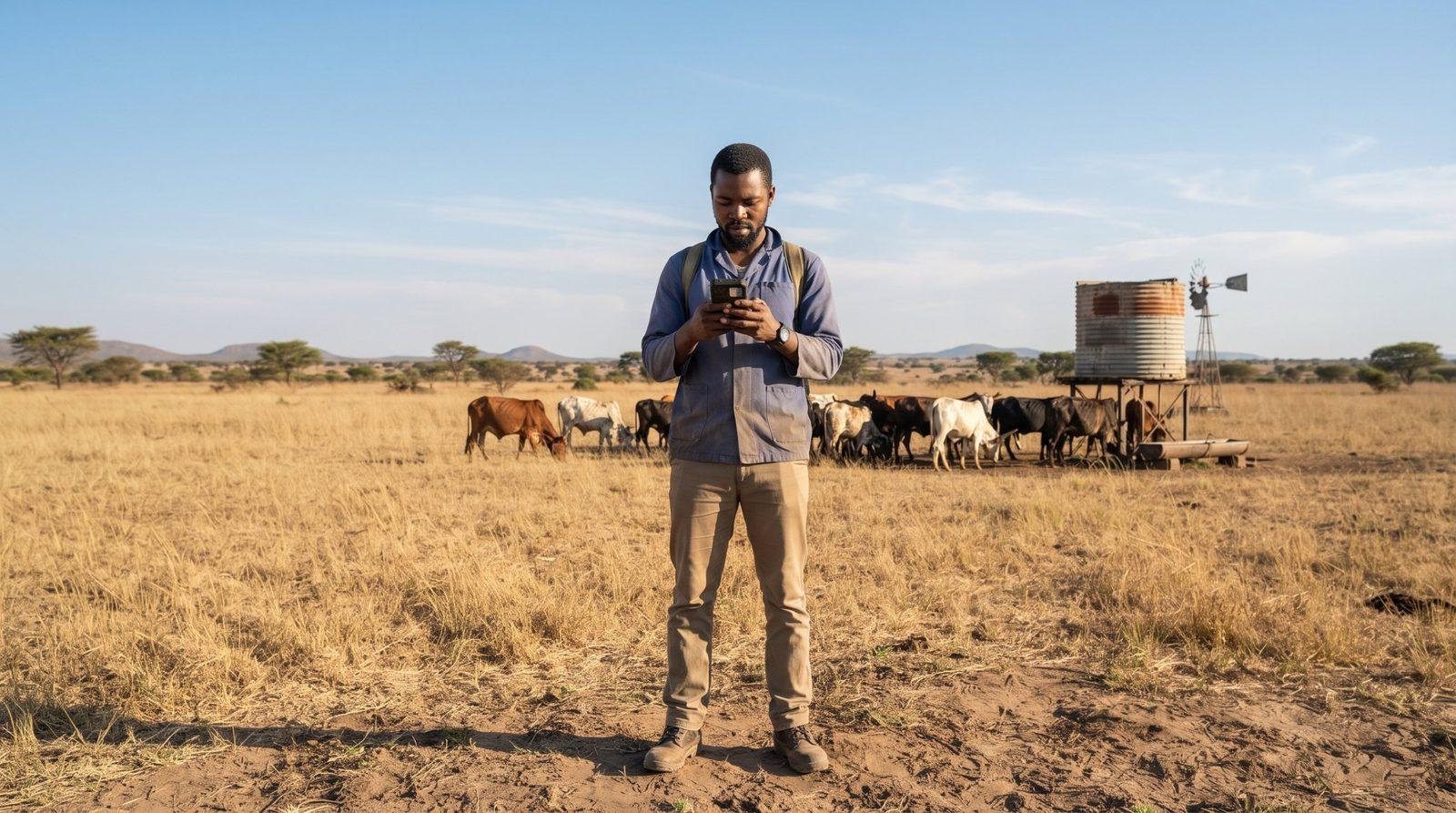
Kenya's DRIVE Livestock Insurance: How the Subsidy Works and Why Herd Records Matter
Pastoralists in West Pokot are being urged to insure their animals before the next dry spell. The cover is offered under a programme called DRIVE (De-risking, Inclusion and Value Enhancement of Pastoral Economies), which runs in 21 arid and semi-arid counties in Kenya.
How the insurance works
DRIVE uses index-based livestock insurance. This is different from ordinary insurance in one important way: nobody comes to count dead animals.
Instead, satellites measure how much grazing there is in your area. If the grazing falls below a set level because of drought, everyone insured in that area is paid. The money is meant to help you buy feed and water to keep animals alive, not to replace animals after they die.
This also means you could lose animals for another reason, such as disease, and receive nothing. Ask the people registering you exactly what is covered.
Who pays the premium
The Government of Kenya pays part of the premium, and the share depends on herd size. Herd size is counted in Tropical Livestock Units (TLU), a way of adding cattle, camels, goats and sheep together.
- First five TLU: government pays 70%, the pastoralist pays 30%.
- Larger herds: the government share steps down as the herd grows.
- Very large herds: the published scheme shows no subsidy above 30 TLU.
Enrolment is done through pastoral groups and community mobilisers, in set windows before each season. If you miss the window, you wait for the next one.
Questions to ask before you pay
- Which season does this cover, and when does enrolment close?
- How many of my animals count as one TLU?
- What is the most the policy can pay, and when is it paid?
- Who do I contact if my area is paid and I am not?
What this means for your records
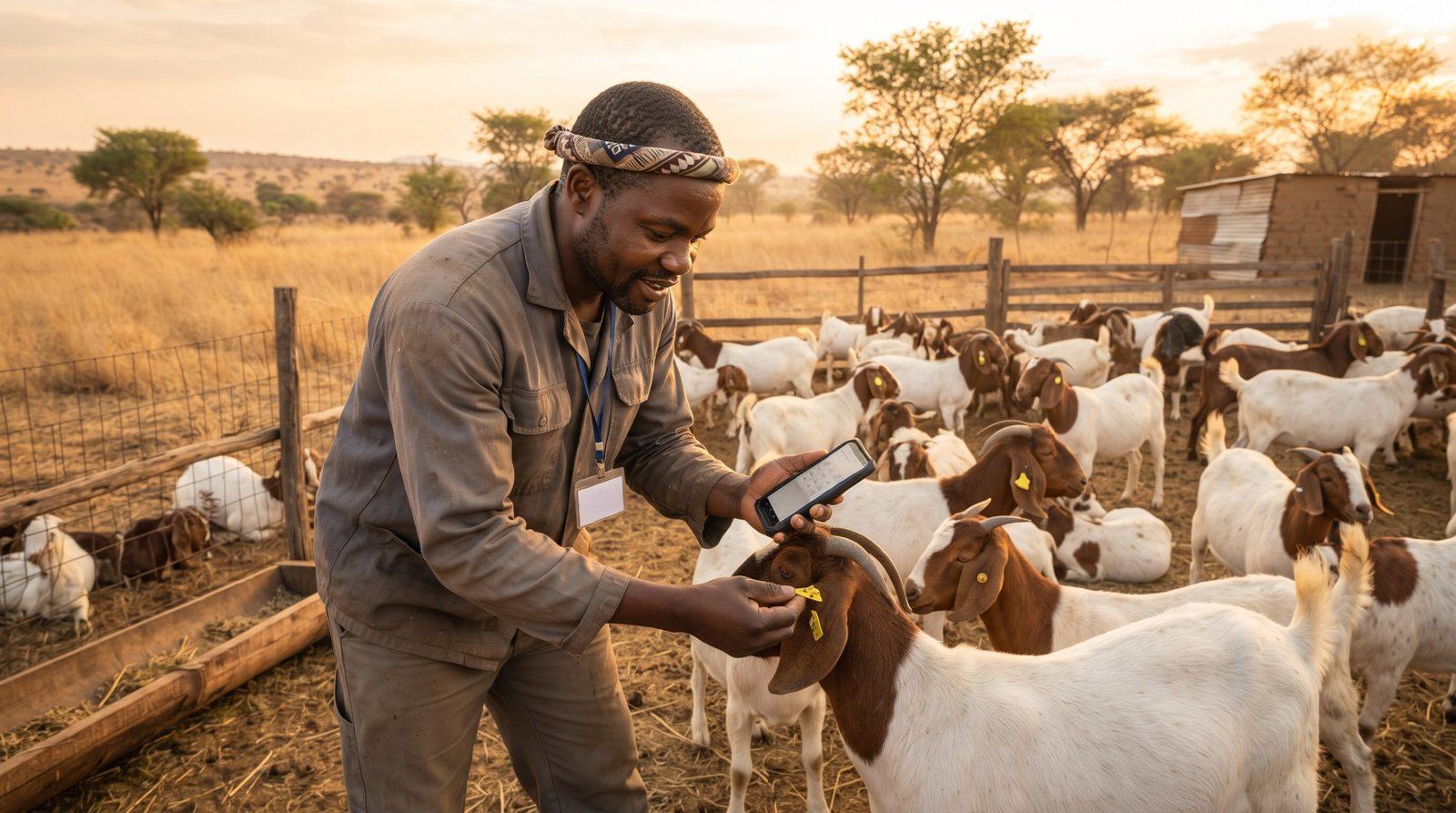
Index insurance does not ask for proof of each animal, but you still need to know your herd: how many cattle, goats, sheep and camels you have, so you insure the right number and pay the right premium. Organised herd records may also support what a cooperative or pastoral group asks of its members. Keep a simple, current count by species, with births, deaths and sales recorded as they happen. If you work through a group or cooperative, see how StokData works with organisations.
Sources
- Kenya News Agency: https://www.kenyanews.go.ke/pastoralists-urged-to-insure-their-livestock/
- ZEP-RE, DRIVE project FAQ: https://zep-re.com/drive-project/faq/
- DRIVE project areas: https://drive.kilimo.go.ke/project-areas