A Madagascar Poultry Study Found Antibiotic Misuse and No Written Records: Lessons for Every Poultry Farmer
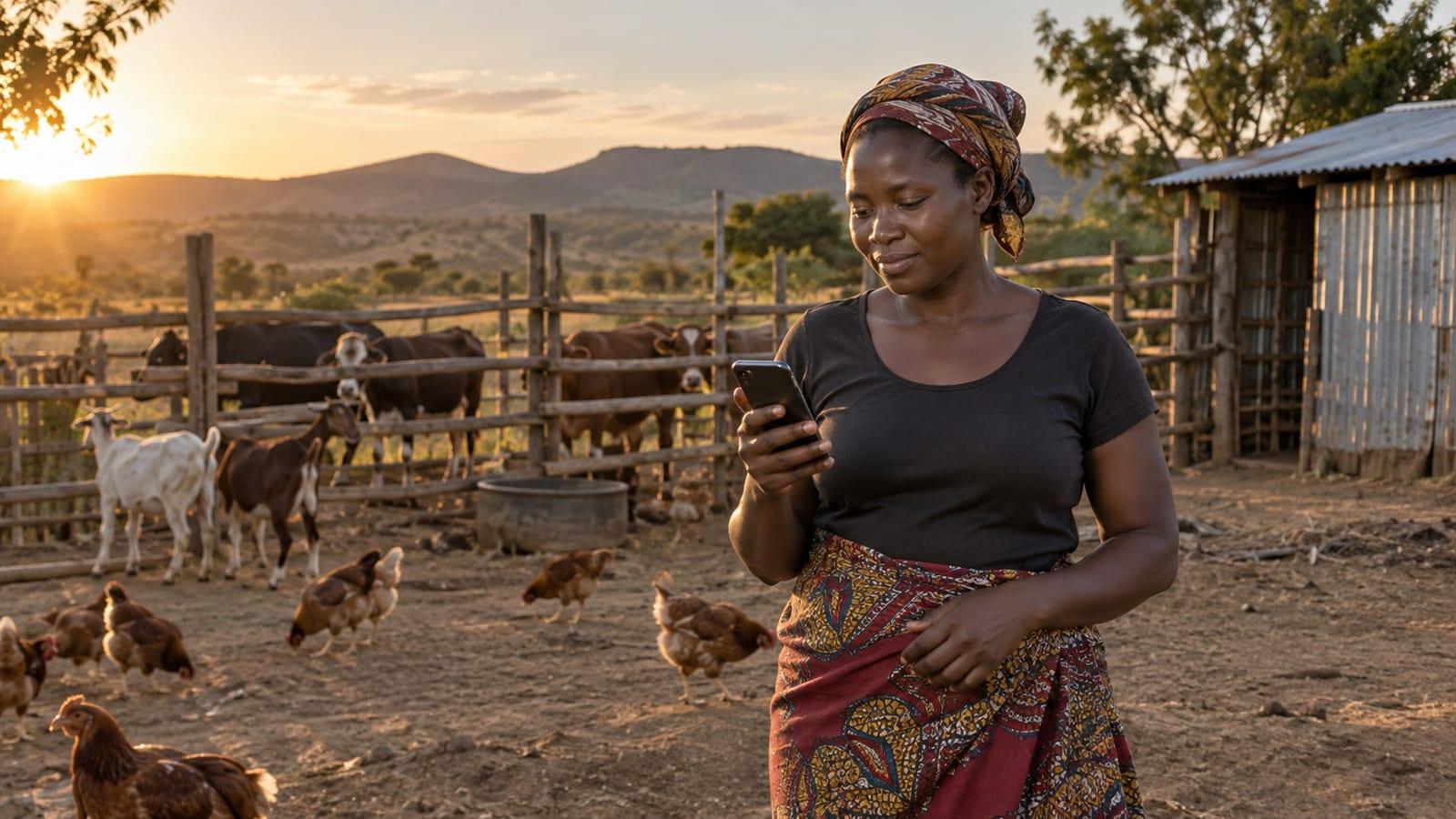
A study published in the journal PLOS One on 6 November looked at how poultry farmers in Madagascar use antibiotics. The findings will sound familiar to poultry farmers in many countries.
First, what the study is and is not
Researchers interviewed 79 poultry farmers in the Analamanga region, around the capital, in 2023. They also spoke to animal health workers and people who sell veterinary medicines.
The farmers were a convenience sample. That means the researchers spoke to farmers they could reach, not a group chosen to represent everyone. So this study does not tell us how common these practices are across Madagascar. It describes what these farmers said and did. The authors say this themselves.
What the farmers described
- Antibiotics as the first answer. Medicines were used almost every time birds fell sick, often without a diagnosis, and sometimes for diseases that antibiotics cannot treat, to prevent illness, or to make birds grow.
- Little knowledge of resistance. Few farmers had heard that overusing antibiotics can stop them working.
- Uneven withdrawal periods. Many broiler farmers said they waited before selling treated birds, but layer farmers often kept selling eggs from treated hens.
- Advice from sellers. Larger farmers relied mainly on technicians linked to their chick and feed suppliers for health advice. Small backyard farmers leaned on medicine sellers and neighbours.
- No written records. Farmers did not write down treatments, so nobody could say how much medicine had been used.
The researchers do not blame farmers. They point to thin profit margins, little credit and weak bargaining power, and they say awareness campaigns alone will not fix it. One practical step they recommend is a treatment logbook.
Why this matters outside Madagascar
Advice from someone who also sells you feed, chicks or medicine may be good advice. But it is worth getting a second opinion from a vet who has nothing to sell you. And a medicine that fails costs you twice: once for the medicine and again for the birds.
What this means for your records
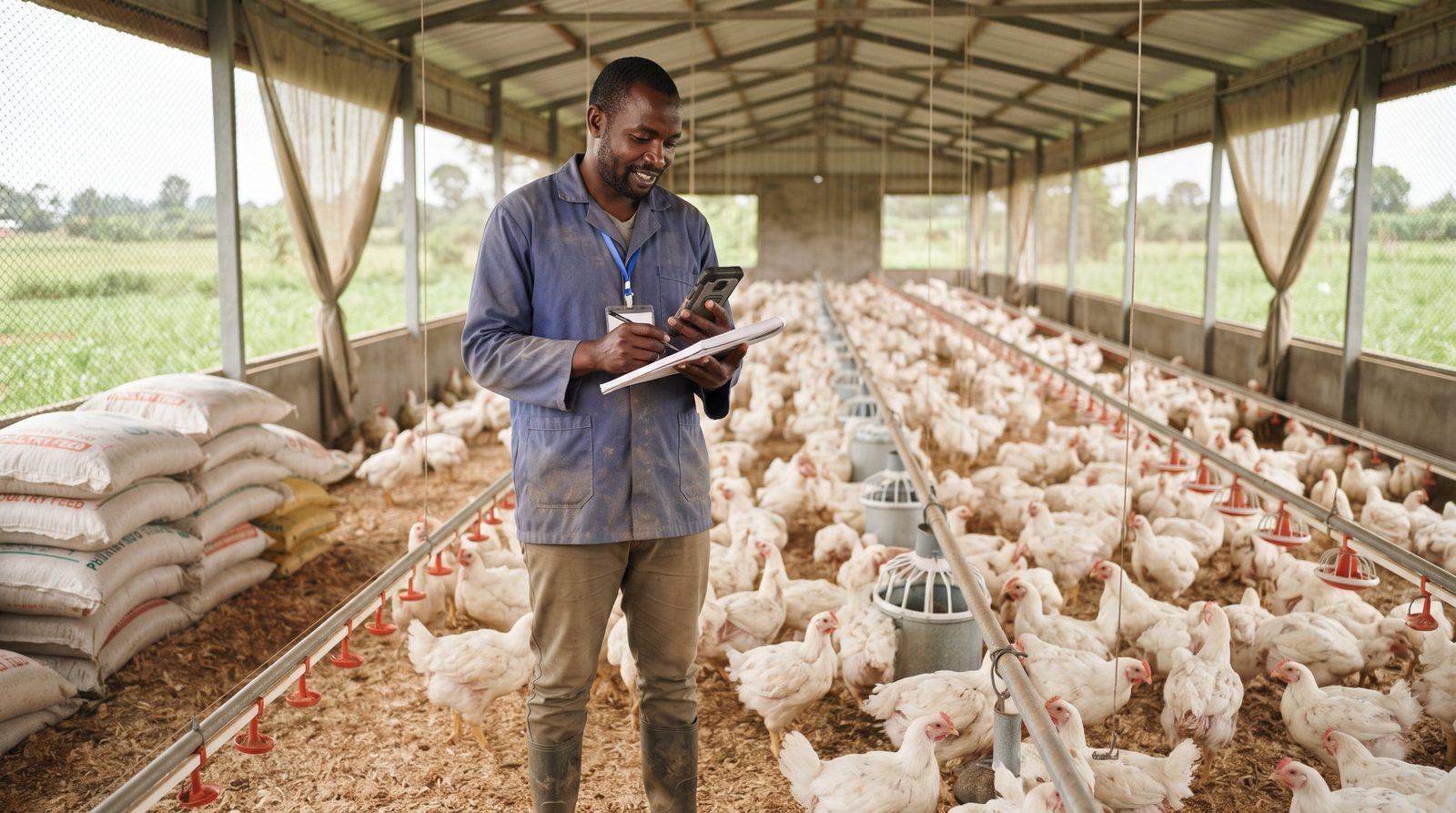
A treatment log is the cheapest tool on a poultry farm. For every treatment, write the date, the batch, the medicine, the reason, who advised it and the date the withdrawal period ends. After a few batches you will see which problems keep coming back and what the medicine is costing you. See how StokData keeps daily records for each batch on our poultry management page.
Source