Zambia's One Health Day Message: Share Animal Health Information Before the Emergency
On 3 November, Zambia marked One Health Day in Lusaka. "One Health" is a simple idea: the health of people, animals and the environment are tied together. Anthrax is the clearest example. It starts in livestock, and it reaches people through meat and hides.
What was said
The government, the Zambia National Public Health Institute (ZNPHI) and the World Health Organization called for stronger collaboration between the people who look after human health, animal health and the environment.
The main message was about timing. Information sharing, disease surveillance and responsible use of antimicrobials (medicines such as antibiotics) should be routine work that happens before an emergency, not something that starts only once an outbreak is under way.
It is worth being clear about what was not announced. No new reporting platform and no new funding were announced for farmers. This was a call to work together better, using the structures that already exist. Zambia is also reported to be finalising its next national One Health plan, for 2027 to 2031.
What it means on the farm
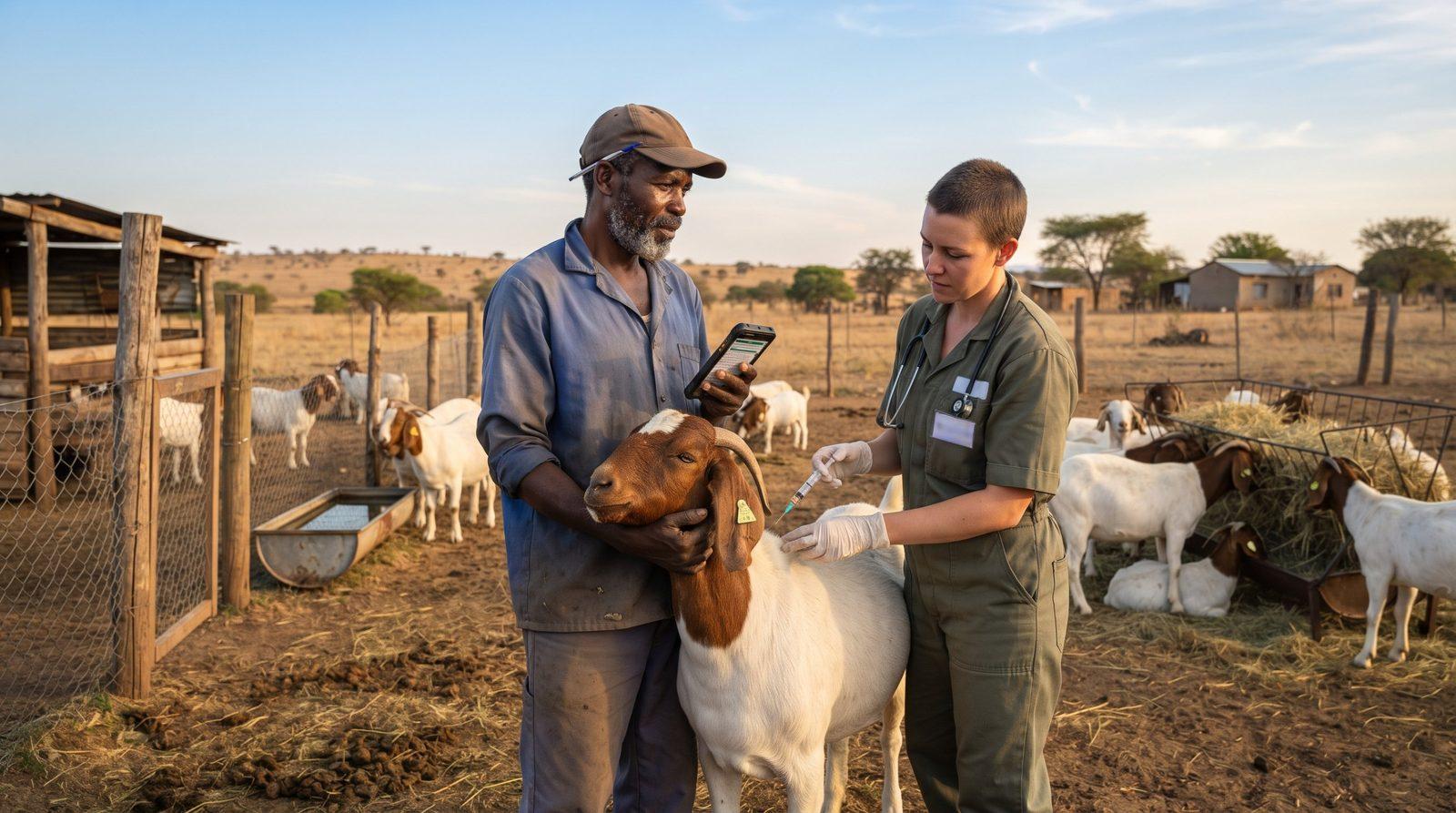
Routine surveillance depends on farmers. A veterinary officer cannot act on a disease nobody told them about. But what a farmer sees and what a vet confirms are different things, and it helps everyone to keep them apart.
- What you saw: "Three cattle died suddenly this week. Blood from the nose. No treatment given."
- What a vet confirmed: a diagnosis after an examination or a laboratory test.
A farmer's report is a concern. Only a veterinary professional can confirm a disease. Reporting early and plainly, without guessing the name of the disease, is the most useful thing you can do.
On medicines: use antibiotics only on a vet's advice, finish the course, and write down what was given and when.
What this means for your records
When you report a problem, dates and numbers make you believable. Record each sick or dead animal on the day: the tag, the signs you saw, what treatment was given and by whom. Mark clearly whether it is your own observation or a vet's confirmed diagnosis. Good notes help the veterinary officer decide faster, and they protect you if questions come later. See how StokData keeps health records against each animal on our livestock management page.
Source