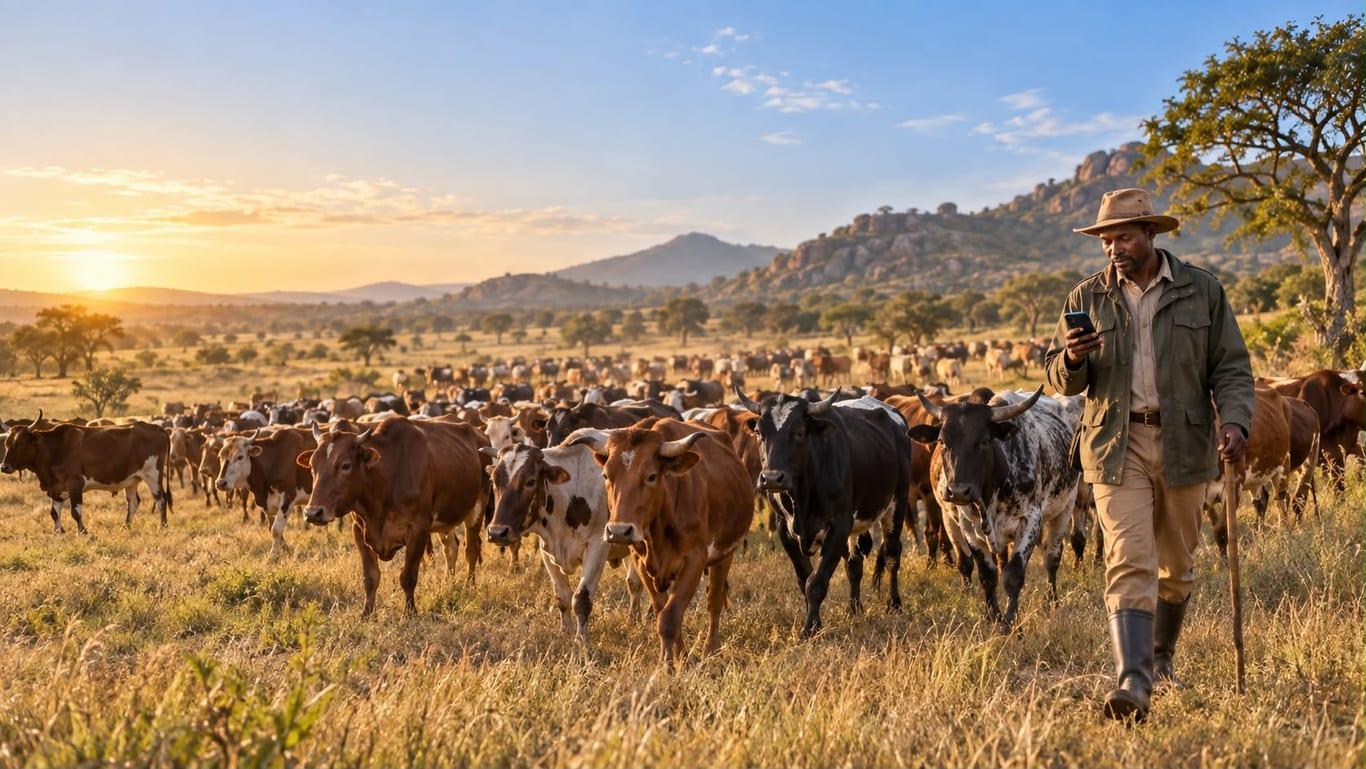
Zimbabwe's CSC Is Slaughtering Again and Ward Centres Are Opening: What It Means for Cattle Farmers
For years, many Zimbabwean cattle farmers have had one realistic buyer: the middleman who arrives at the kraal with cash and a low offer. Two things reported this month could give farmers more choice.
The CSC abattoir in Bulawayo is working again
The Cold Storage Company (CSC), once the country's biggest beef buyer, is being revived. Reports say the Mutapa Investment Fund put in US$9.3 million, which went to rehabilitating the Bulawayo abattoir, including processing equipment and cold storage.
The numbers are still modest. The plant is reported to be slaughtering about 150 cattle a day. Its installed capacity today is 320 a day, and the stated aim is to rebuild towards 800 a day once the work is finished. That last figure is a target, not something that has happened yet.
The Minister of Agriculture toured the plant and urged farmers to sell through CSC rather than panic-sell if the coming season is dry.
Ward centres as places to sell
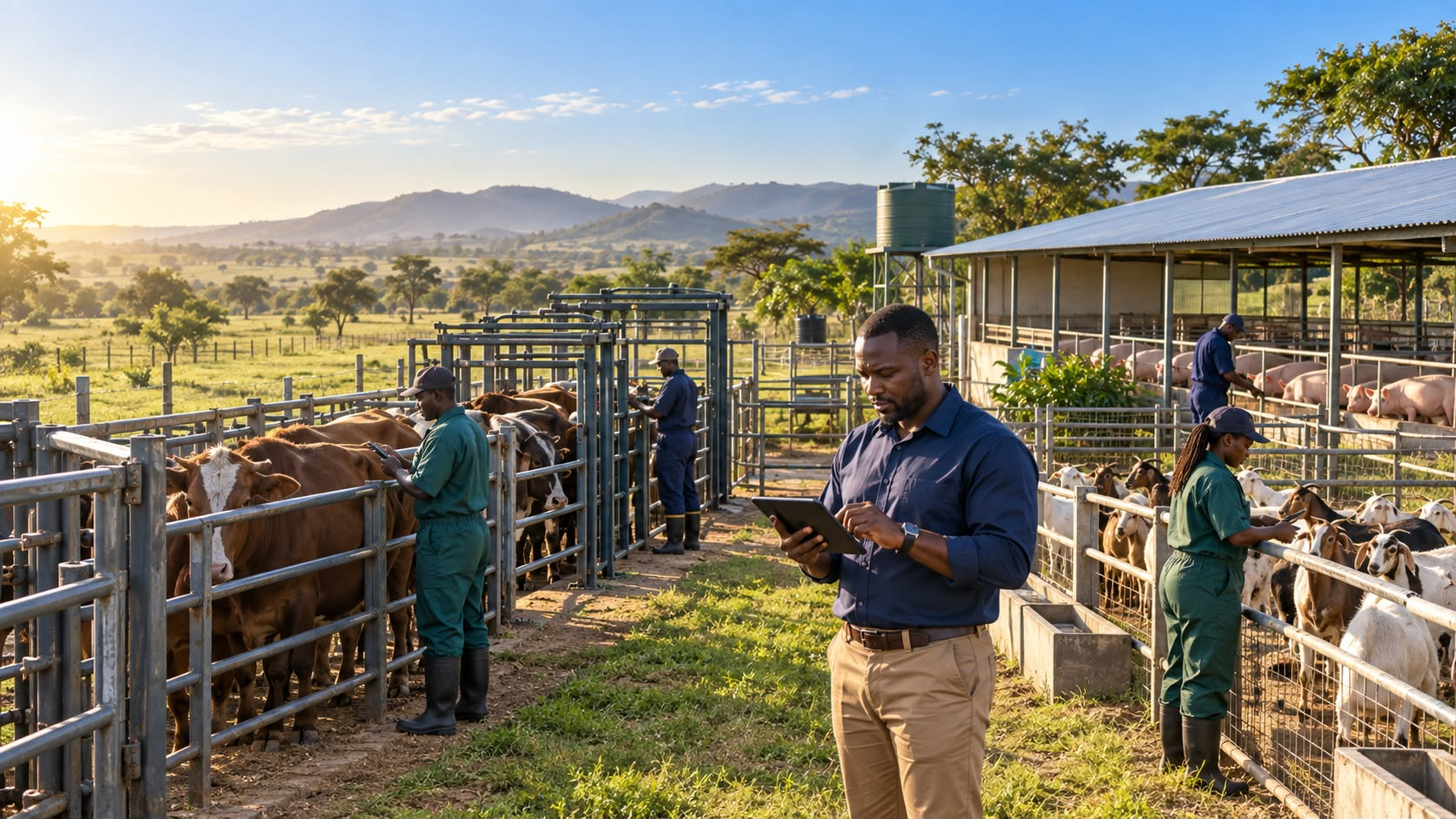
The Ministry of Agriculture says 751 ward drought mitigation centres have now been set up, in a country with 1,527 rural wards, and more are being built. The centres are meant to provide feed and water in dry months, and they have handling and selling facilities.
The Permanent Secretary told farmers to avoid middlemen and use these centres. He also proposed ward meetings where farmers, auctioneers, veterinary officers, council officials and the Agricultural Marketing Authority agree sale dates and fair prices. He advised farmers to sell unproductive animals before grazing and water run short.
What to keep in mind
- A working abattoir and a ward sale pen do not guarantee a good price. They give you another place to compare offers.
- Not every ward has a centre yet. Ask your local Agritex or veterinary officer what is open near you.
- Formal buyers usually pay on weight and grade, so knowing your animal's weight before you arrive matters.
What this means for your records
When you sell at an auction, a ward centre or to a formal buyer, you are standing next to other people's cattle. The farmer who can show an animal's age, weights, vaccinations, treatments and movements has something to bargain with. Start by recording each animal's weight and health history now, so it is ready before you decide to sell. See how StokData helps you prepare on our Market-Ready Livestock page.
Sources